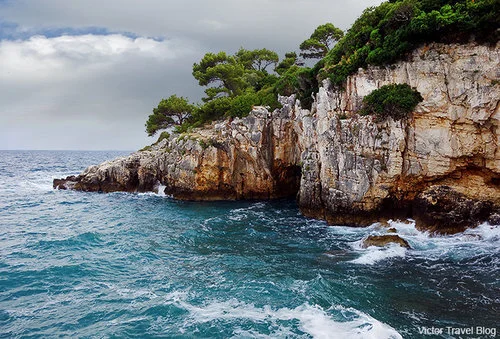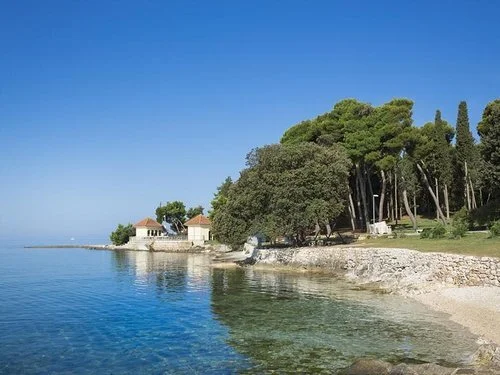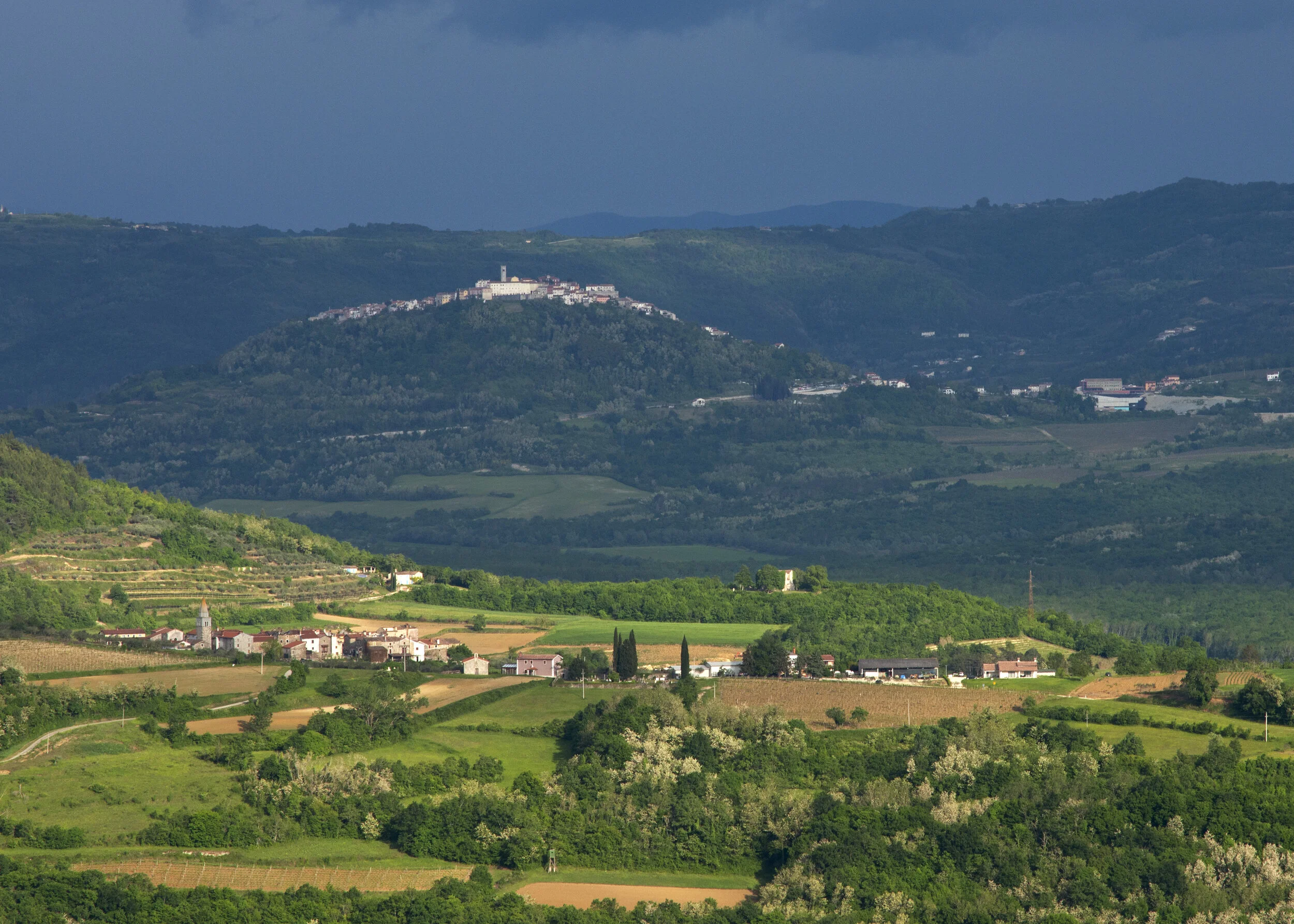
Here's a small sampling of the natural treasures we may visit during our immersion experience.
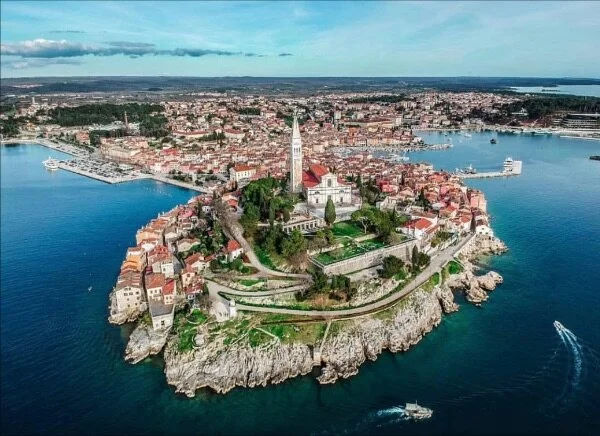
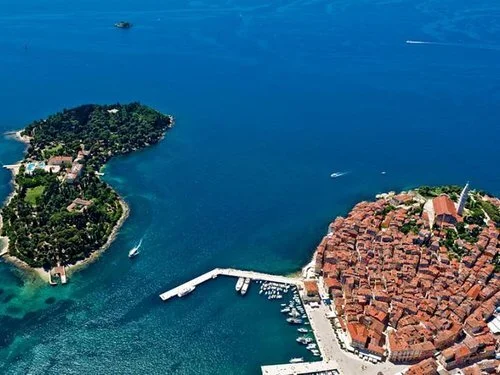
ROVINJ (ROVIGNO), ISTRIA
Rovigno (Rovinj) is a Croatian fishing port on the west coast of the Istrian Peninsula, in the northern Adriatic Sea. The old town stands on a headland, with houses tightly crowded down to the seafront. A tangle of cobbled streets leads to the hilltop church of St. Euphemia, whose towering steeple dominates the skyline. South of the old town is Lone Bay, one of the area’s pebble beaches. The Rovinj archipelago’s 14 islands lie immediately off the mainland.
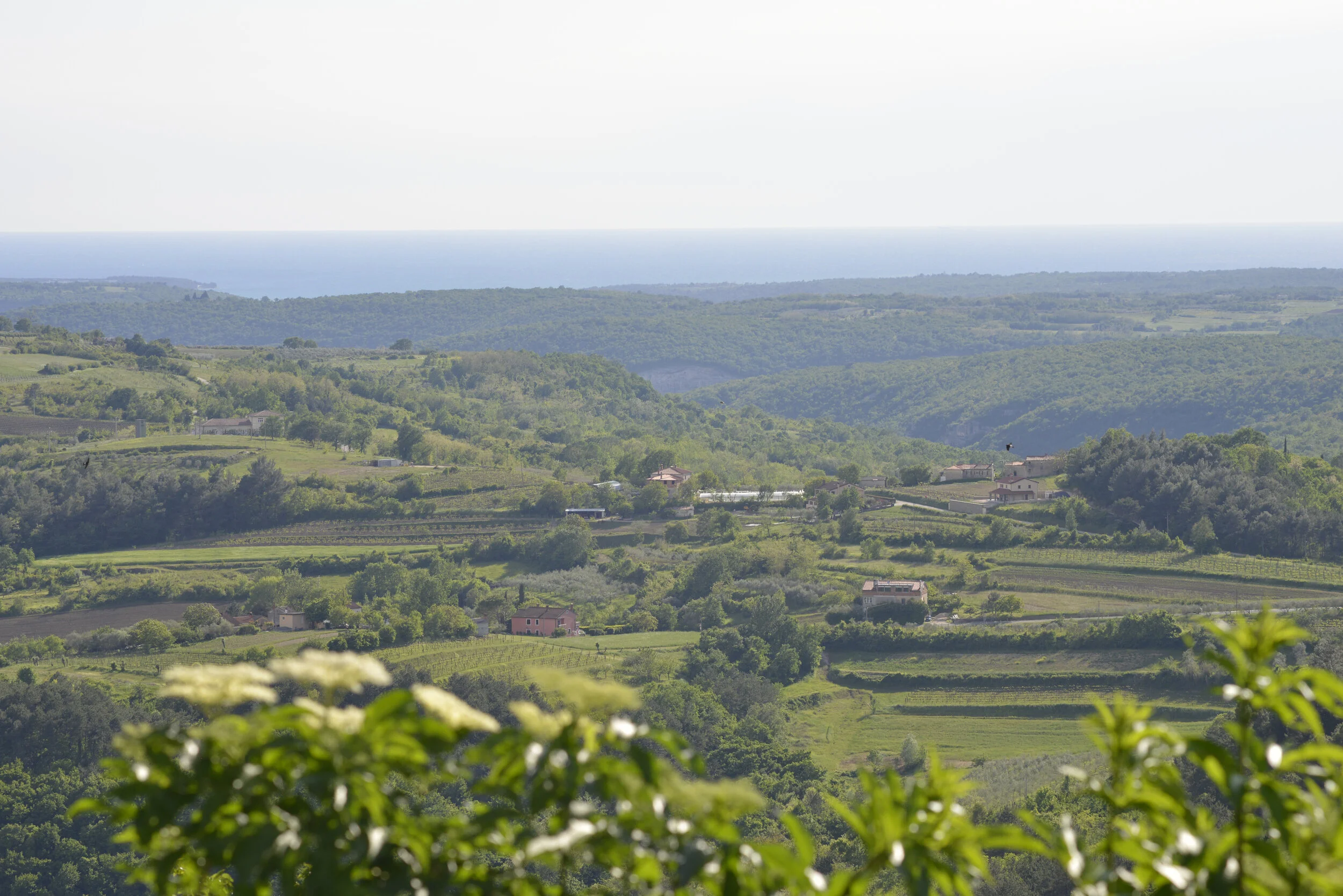
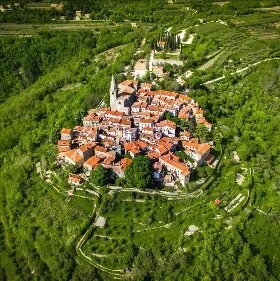
GROZNJAN (GRISIGNANA), ISTRIA
Located in Central Istria, surrounded by a landscape full of olive groves and vineyards and blessed with one of the most beautiful views possible, Groznjan sits high above the stunning Mirna valley, the crystal clear Adriatic Sea. It is a city of artists and the streets are lines with studios and galleries, pottery studios and artisan food shops. It provides a splendid location for our work and we often make a day of it with a lunch at the local trattoria.

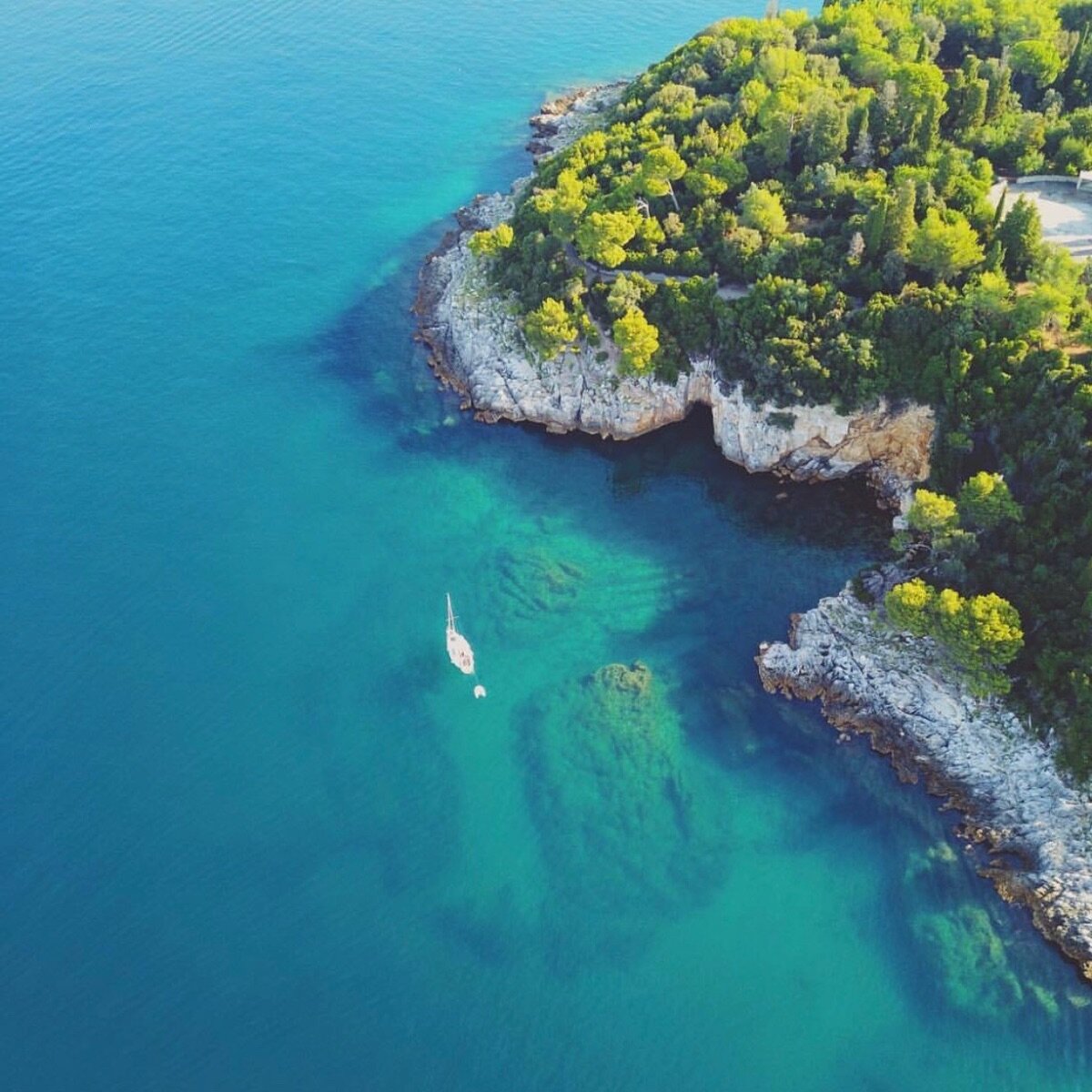
VRSAR (orsera), istria
Vrsar (itl. Orsera) is located on the west coast of Istria, 10 km south of Porec. This small fishing town is a true jewel. Set on the small, 54 m high hill and surrounded by islets, it offers beautiful views and stunning sunsets. Vrsar has a beautiful marina and atmospheric old town. Its timeless charms include seafront promenade, winding streets, old stone houses, and many viewpoints.
FOR MORE ABOUT THE REGION READ THE NEW YORK TIMES’ 36 HOURS IN ISTRIA